Â
1–2
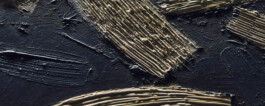
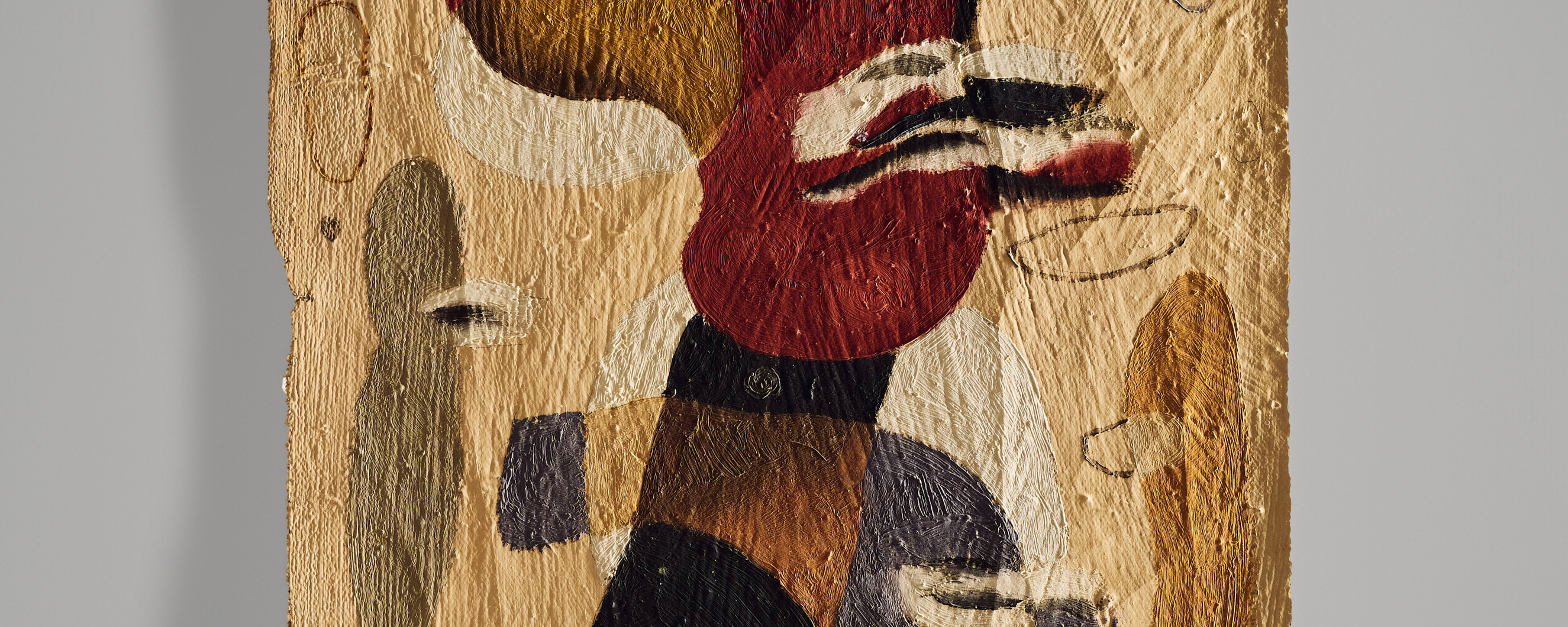
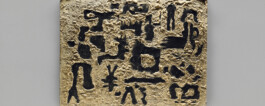
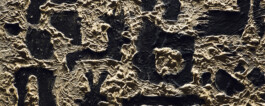
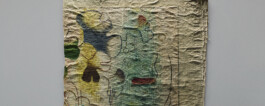
Willi Baumeister: Discarded painting, ca. 1954, 38.5 x 39.3 cm, Willi Baumeister Stiftung Inv. No. V_012. Photo: Elia Schmid
Â
3–4
Willi Baumeister: Discarded painting, ca. 1931, 42 x 28.5 cm, Willi Baumeister Stiftung Stuttgart, Inv. No. V_005. Photo: Elia SchmidÂ
Â
5–6
Willi Baumeister: Discarded painting, ca. 1948, 35.5 x 46 cm, Willi Baumeister Stiftung Inv. No. V_004. Photo: Elia Schmid
Â
7
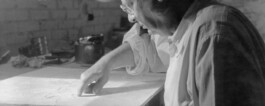
Willi Baumeister in his Stuttgart studio at Gänsheidestr. 26, in 1954. CC BY-NC-SA 3.0 Archiv Baumeister at the Kunstmuseum Stuttgart. Photo: Johannes Schubert
Â
8
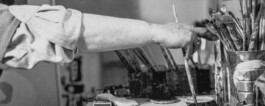
Willi Baumeister in his studio at Gänsheidestr. 26, Stuttgart, 1948. CC BY-NC-SA 3.0 Archiv Baumeister at the Kunstmuseum Stuttgart. Photo: Kyra Stromberg
The project consists of two parts: an art technological research project and a communication project. It is funded by the Schoof'sche Stiftung and the Wüstenrot Stiftung.
Â
Â
Â
Â
How do artists deal with difficult conditions? Do they perceive a lack of materials as a limitation, or as an incentive to re-examine old habits and try something new? Or to put it another way: can a new material inspire artists to explore innovative techniques?
These are questions that the German painter Willi Baumeister (1889–1955) asked himself, particularly between 1930 and 1955. Due to Nazism and World War II, traditional painting materials were in short supply, and this inspired him to experiment with new painting techniques. Dr. Kurt Herberts, a German paint manufacturer, provided him with a safe space for his experiments during the war.
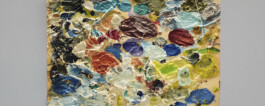
Today, we are searching for Baumeister's answers to the aforementioned questions in his paintings: the art technological research project based at the ABK Stuttgart in the painting and sculpture conservation program is taking a closer look at his works and their materiality during this period.
To this end, we are examining his paintings and other archival materials in the Archiv Baumeister at the Kunstmuseum Stuttgart and the Willi Baumeister Stiftung (Stuttgart).
A Â Read more


Â
1
Invoice from Schall-Farben, dated April 14, 1955. Archiv Baumeister at the Kunstmuseum Stuttgart. Photo: Elia SchmidÂ
Â
2
Willi Baumeister: Discarded painting, ca. 1948, 35.5 x 46 cm, Willi Baumeister Stiftung Inv. No. V_004. Photo: Elia Schmid
Â
3
Willi Baumeister: Discarded painting with pronounced craquelure (fragment), circa 1938–42, 51.6 x 36.2 cm, Willi Baumeister Stiftung Stuttgart, Inv. No. V_014a. Photo: Elia Schmid
Â
4
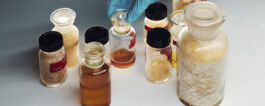
Historical tube oil paints in the RED / LUKAS archive can be used as reference materials. © LUKAS. Photo: Elia Schmid
Â
The central question we want to answer in our art technological research project is: What painting materials did Willi Baumeister use between 1930 and 1955? Which time-tested materials did he have to replace due to shortages of raw materials, and which new ones did he use in their place?
By answering these questions, we are laying the foundation for a fundamental understanding of the painting materials and their associated aging processes: What condition are his paintings in today, and how will their condition change going forward? These art technology and conservation science research questions are our form of basic research.
To answer these questions, we are working together in an interdisciplinary team and jointly evaluating various sources.
Â
A Â Read more


Â
1–13
Photos: Elia Schmid
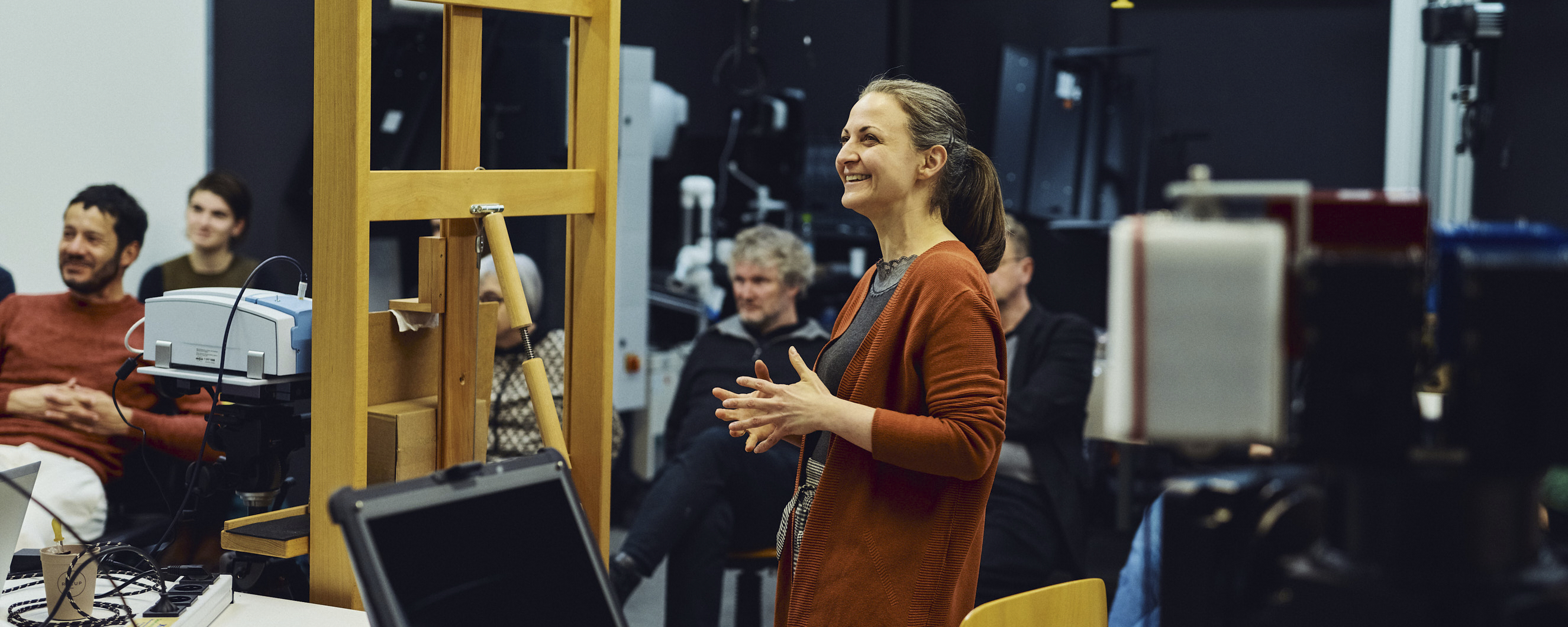
Teamwork is essential for successful research in art technology.
Â
The questions we pose have drawn us to the intersection of various disciplines in the humanities and natural sciences. Because no single researcher can answer all the questions on their own, and each member of the team contributes specific expertise to the project, we work in an interdisciplinary team.
A Â Read more


Â
1Â Â Â
Documents in the Archiv Baumeister at the Kunstmuseum Stuttgart. Photo: Elia Schmid
2Â Â Â
Invoice from Albert Martz, dated February 14, 1942, Archiv Baumeister at the Kunstmuseum Stuttgart. Photo: Elia Schmid
3Â Â Â
Invoice from Chr. Lechler and Son, dated June 3, 1955. Archiv Baumeister at the Kunstmuseum Stuttgart. Photo: Elia Schmid
4Â Â Â
Willi Baumeister in his Stuttgart studio at Gänsheidestr. 26, in 1954. CC BY-NC-SA 3.0 Archiv Baumeister at the Kunstmuseum Stuttgart. Â
Historical photograph: Johannes Schubert; photo in the archive: Elia Schmid
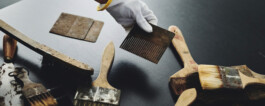
5–7
Metal combs and various brushes. Archiv Baumeister at the Kunstmuseum Stuttgart, Photo: Elia Schmid
8Â Â
Letter by Willi Baumeister, dated November 12, 1947, Archiv Baumeister at the Kunstmuseum Stuttgart. Photo: Elia Schmid
9Â Â Â
A palette from the artist's estate. Archiv Baumeister at the Kunstmuseum Stuttgart. Photo: Elia Schmid
10Â Â
Reference material samples from the historical collection of the Archaeometric Laboratory at the ABK Stuttgart. Photo: Elia Schmid
In order to find answers to our questions (research questions), we need sources. These provide information about how and why the materiality of Willi Baumeister's painting changed between 1930 and 1955.
The sources are very diverse: We examine material sources such as paintings, palettes, and tube paints, and also written sources such as letters, diary entries, and invoices. Image sources such as historical photos and film recordings, may also provide interesting information. Fortunately, Baumeister liked to keep all kinds of things, which can still be found today in his estate in the Archiv Baumeister at the Kunstmuseum Stuttgart. Like pieces of a puzzle, the individual sources each contain important bits of information, but it is only when they are put together that they form a complete picture.
A Â Read more


Â
1
Saskia Link conducted research for her master's thesis in the RED / LUKAS archive at the Conservation Center (RED) in Düsseldorf.
Photo: Elia Schmid
Â
2–5
Photos: Elia Schmid
Â
6
Inken Holubec and Wibke Neugebauer conducting archival research in the RED / LUKAS archive at the Conservation Center (RED) in Düsseldorf. Photo: Elia Schmid
Â
Â
Â
Â
Â
Â
Every research process follows a plan: the methodology. The goal is to gather, step by step, all the information needed to answer the research questions.
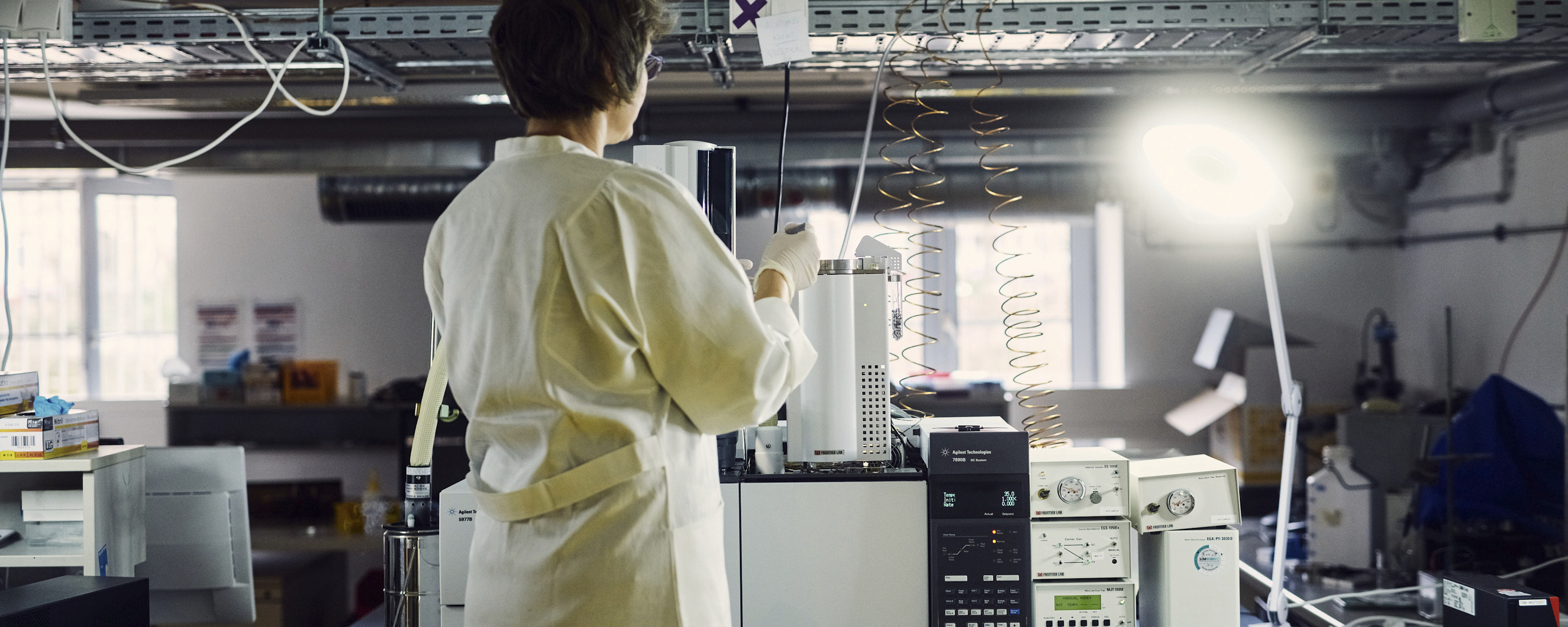
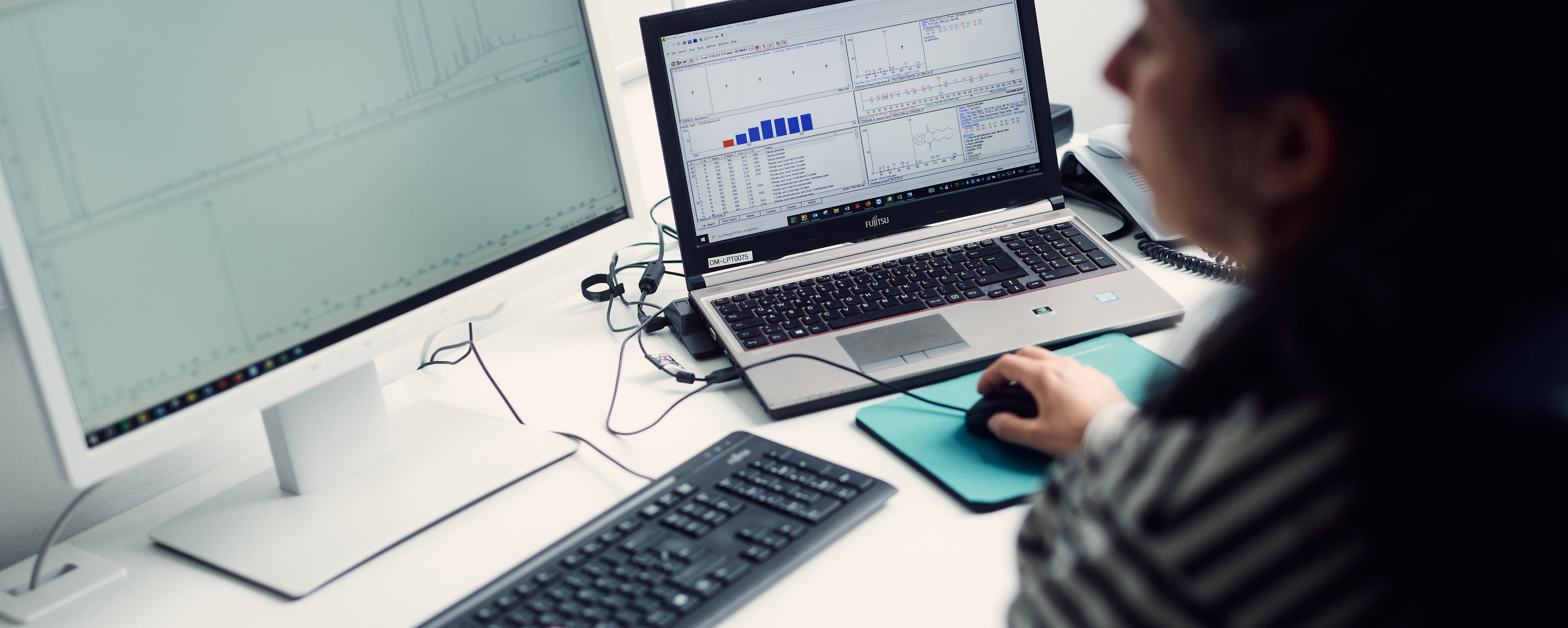
What is special about art technology methodology is that many different types of sources are evaluated for this purpose. To analyze we use a range of  methods from the humanities and natural sciences. This requires interdisciplinary collaboration and the willingness of researchers to engage with different ways of thinking and working. Collaborating in this way is challenging, but also quite interesting.
At the end of the research process, the individual results must be brought together and evaluated jointly in a team effort: Can they yield answers to the research questions, or is there still information missing?
Â
Â
A Â Read more

Â
1Â
Foto: Elia Schmid
The research results are being published in by research teams, and compiled  in the form of master's theses in the study program Conservation of Paintings and Polychrome Sculptures at ABK Stuttgart.
Â


Â
1–2
Foto: Elia Schmid
Â
Â
Â
Â
Â
We want to make our research process and results accessible not only to a specialist audience, but also to a broader, interested public.
The Wüstenrot Stiftung is supporting this part of our project, which is divided into two stages: providing information on the research process during the ongoing project, and communicating the research results at the end of the project.
How do artists deal with difficult conditions? Do they perceive a lack of materials as a limitation, or as an incentive to re-examine old habits and try something new? Or to put it another way: can a new material inspire artists to explore innovative techniques?
These are questions that the German painter Willi Baumeister (1889–1955) asked himself, particularly between 1930 and 1955. Due to Nazism and World War II, traditional painting materials were in short supply, and this inspired him to experiment with new painting techniques. Dr. Kurt Herberts, a German paint manufacturer, provided him with a safe space for his experiments during the war.
Today, we are searching for Baumeister's answers to the aforementioned questions in his paintings: the art technological research project based at the ABK Stuttgart in the painting and sculpture conservation program is taking a closer look at his works and their materiality during this period.
To this end, we are examining his paintings and other archival materials in the Archiv Baumeister at the Kunstmuseum Stuttgart and the Willi Baumeister Stiftung (Stuttgart).
A Â Read more


Â
1–13
Photos: Elia Schmid
The questions we pose have drawn us to the intersection of various disciplines in the humanities and natural sciences. Because no single researcher can answer all the questions on their own, and each member of the team contributes specific expertise to the project, we work in an interdisciplinary team.
A Â Read more


Â
1
Saskia Link conducted research for her master's thesis in the RED / LUKAS archive at the Conservation Center (RED) in Düsseldorf.
Photo: Elia Schmid
Â
2–5
Photos: Elia Schmid
Â
6
Inken Holubec and Wibke Neugebauer conducting archival research in the RED / LUKAS archive at the Conservation Center (RED) in Düsseldorf. Photo: Elia Schmid
Â
Â
Â
Â
Â
Â
What is special about art technology methodology is that many different types of sources are evaluated for this purpose. To analyze we use a range of  methods from the humanities and natural sciences. This requires interdisciplinary collaboration and the willingness of researchers to engage with different ways of thinking and working. Collaborating in this way is challenging, but also quite interesting.
At the end of the research process, the individual results must be brought together and evaluated jointly in a team effort: Can they yield answers to the research questions, or is there still information missing?
Â
Â
A Â Read more
The research results are being published in by research teams, and compiled  in the form of master's theses in the study program Conservation of Paintings and Polychrome Sculptures at ABK Stuttgart.
Â


Â
1–2
Foto: Elia Schmid
Â
Â
Â
Â
Â
The Wüstenrot Stiftung is supporting this part of our project, which is divided into two stages: providing information on the research process during the ongoing project, and communicating the research results at the end of the project.